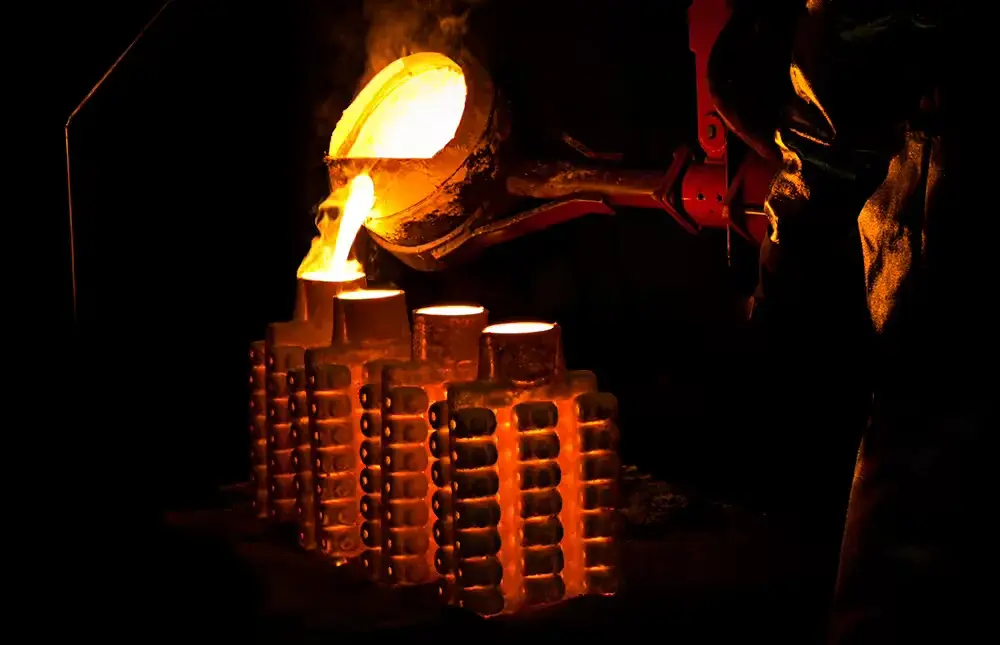
Choosing the right casting process early saves time and money across the life of a part. Investment casting and sand casting are both proven routes, but they suit very different requirements.
Tolerances and surface finish
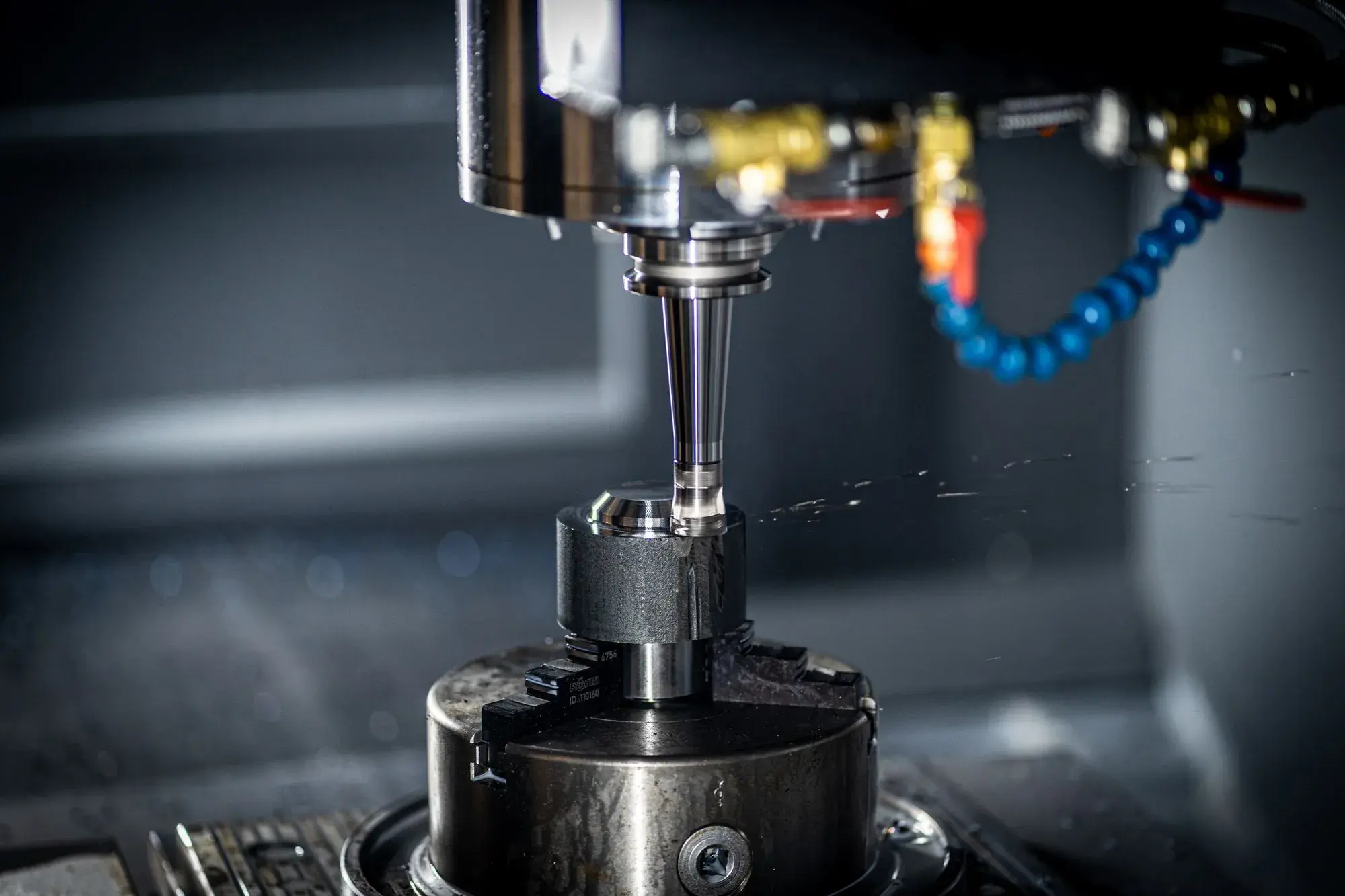
Investment casting produces near-net-shape parts with tight dimensional tolerances and a smooth as-cast surface, which often removes machining operations altogether. Sand casting leaves a rougher surface and wider tolerances, so more machining stock is usually needed.
Complexity and weight
Thin walls, undercuts and fine detail are where investment casting excels, for parts from a few grams to around 120 kg. Very large, simple parts are usually more economical in sand.
Which should you choose?
If your part is complex, needs a good finish, or would otherwise require heavy machining, investment casting is usually the better total-cost option. Send us your drawing and our engineers will recommend the right route.